
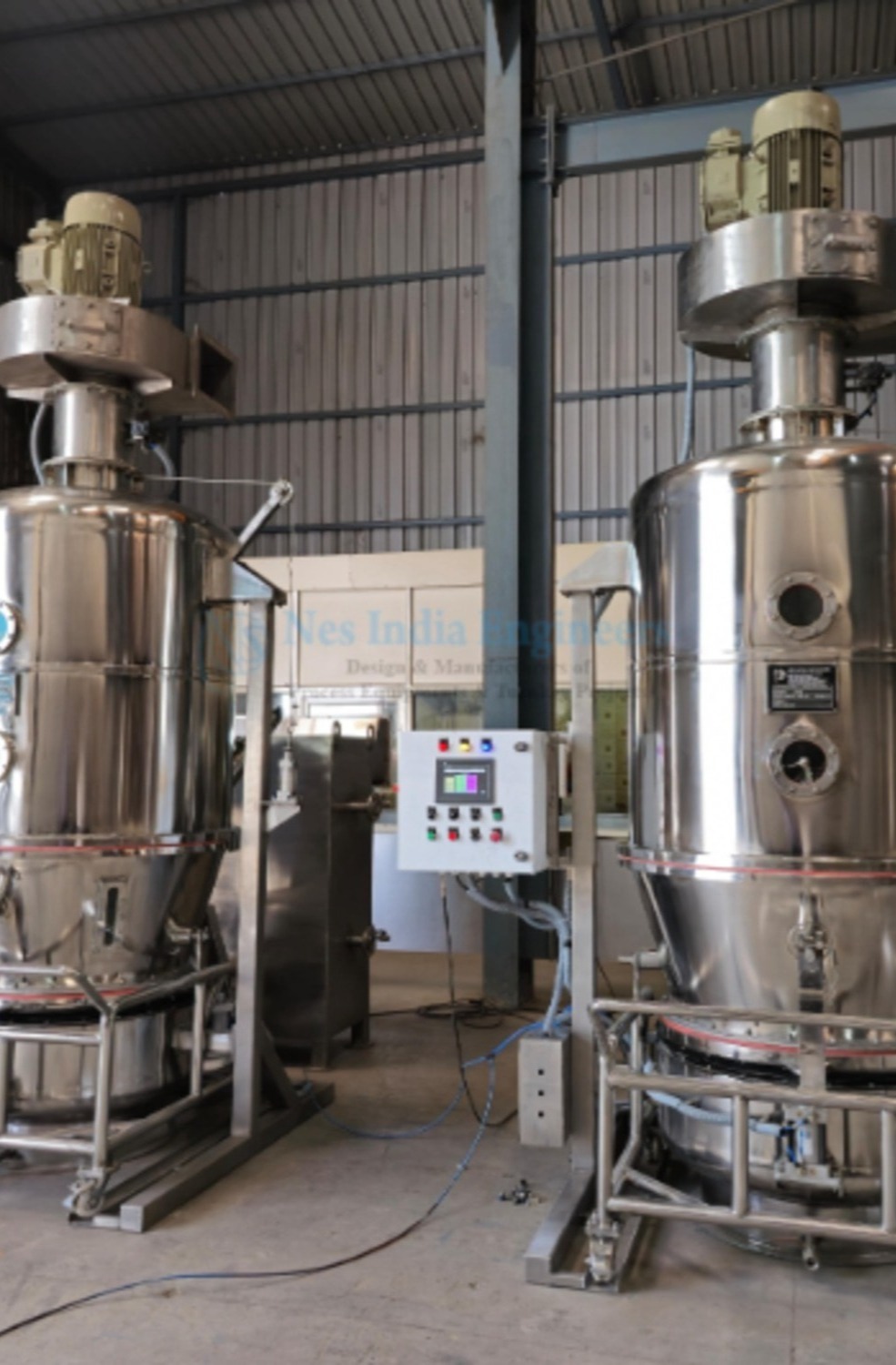
Drying is an essential process in many industries where moisture removal, product stability, and material quality directly affect manufacturing outcomes. Selecting the right drying technology helps industries improve efficiency, maintain product consistency, and achieve better control over production processes.
An Industrial Dryer Manufacturer in Pune develops drying solutions designed for different materials, production capacities, and operating conditions. Industries such as pharmaceuticals, chemicals, food processing, and specialty manufacturing rely on advanced drying equipment to handle powders, granules, chemicals, and other moisture-sensitive products.
Pune’s industrial sector includes several manufacturing units where efficient drying systems are required to support large-scale production while maintaining quality standards.
Understanding Industrial Drying Equipment
Industrial dryers are designed to remove moisture from products through controlled heat transfer and airflow mechanisms. The selection of drying equipment depends on factors such as:
Material characteristics
Moisture content
Required drying temperature
Production volume
Product sensitivity
Energy efficiency requirements
A suitable drying system ensures uniform moisture removal without affecting product properties.
Different Types Of Industrial Dryers
Various industries use different dryer configurations based on their processing requirements.
Tray Dryers
Tray dryers are widely used for batch drying applications. They provide controlled hot air circulation and are suitable for pharmaceutical, chemical, and food processing industries.
Vacuum Tray Dryers
Vacuum drying systems operate under reduced pressure, allowing moisture removal at lower temperatures. They are useful for heat-sensitive materials that may degrade under high temperatures.
Fluid Bed Dryers
Fluidized bed dryers use controlled airflow to suspend particles during drying. They provide efficient heat transfer and are commonly used in pharmaceutical granule processing.
Spray Dryers
Spray drying converts liquid materials into dry powder through atomization and controlled hot air contact. These systems are used in industries producing milk powder, chemicals, and pharmaceutical ingredients.
Rotary Dryers
Rotary dryers are suitable for continuous drying operations involving minerals, chemicals, fertilizers, and bulk materials.
Factors To Consider Before Selecting A Dryer
Choosing drying equipment requires understanding the complete production process.
Important considerations include:
Material Properties
Different materials react differently to heat and airflow. Temperature-sensitive products may require vacuum drying or specialized systems.
Production Capacity
The dryer size should match production requirements to avoid inefficient operation.
Energy Consumption
Energy-efficient designs help reduce operational costs while maintaining drying performance.
Automation Requirements
Modern drying systems may include temperature monitoring, control panels, and automated process management.
Maintenance Accessibility
Equipment should allow easy cleaning, inspection, and servicing to minimize downtime.
Applications Of Industrial Dryers
Industrial dryers are used in:
Pharmaceutical manufacturing
Chemical processing
Food production
Nutraceutical manufacturing
Mineral processing
Specialty material industries
Each application requires a different drying approach depending on product characteristics and process goals.
Importance Of Professional Dryer Manufacturing
A well-designed dryer requires proper engineering, fabrication quality, and process understanding. Incorrect equipment selection can result in uneven drying, increased energy consumption, and production challenges.
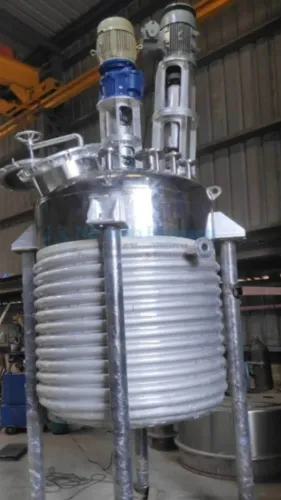
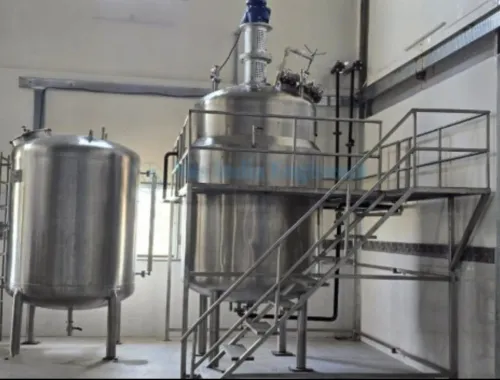
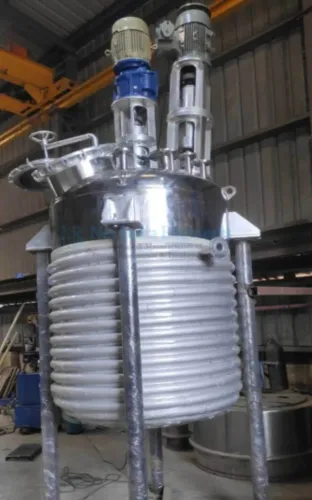
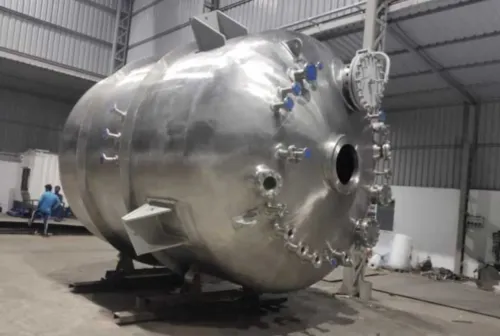
Nes India Engineers develops industrial process equipment solutions including drying systems, reactors, tanks, and other manufacturing equipment. The company supports industries in Pune and Maharashtra with equipment designed around specific process requirements.
Selecting the right industrial dryer helps manufacturers improve productivity, maintain product quality, and create more efficient production operations.